| Previous | Next
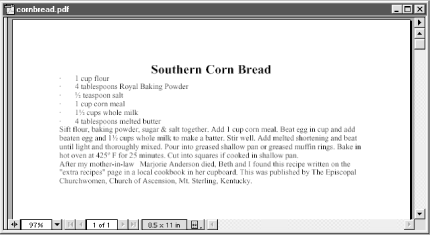
XSL-FO PropertiesThe finished document shown in Figure 13-3 is quite Spartan. It simply breaks the original XML document into a few separate paragraphs. After quite a lot of work, it still hasn't reached the polish that was achieved much more simply with CSS back in the last chapter in Example 12-2 and Figure 12-1. Adding the sparkle of different fonts, bold headlines, bulleted lists, and other desirable features requires setting the relevant properties on the individual formatting objects. These are set through optional attributes of the formatting object elements like <fo:block font-weight="bold">Southern Corn Bread</fo:block> The similarity with the equivalent CSS rule is obvious:
The property name is the same. The property value is the same. The meaning of the property is the same. Similarly, you can use all the Many other properties come across from CSS by straight extrapolation. For instance, in Example 12-2 the
In XSL-FO, it will be formatted with this XSLT template: <xsl:template match="dish"> <fo:block font-family="Helvetica, Arial, sans-serif" font-size="20pt" font-weight="bold" text-align="center"> <xsl:apply-templates/> </fo:block> </xsl:template> Similarly, the margin properties set the margins on the various elements: <xsl:template match="directions|story"> <fo:block margin-top="12pt" margin-left="4pt"> <xsl:apply-templates/> </fo:block> </xsl:template> In a few cases CSS properties become XSL-FO elements rather than attributes. For instance, to format the ingredients as a bulleted list, we have to use the <xsl:template match="ingredient"> <fo:list-item> <!-- Unicode Bullet Character --> <fo:list-item-label>•</fo:list-item-label> <fo:list-item-body><xsl:apply-templates/></fo:list-item-body> </fo:list-item> </xsl:template> We now have the pieces needed to put together a more attractive XSL-FO document. Example 13-4 is an XSLT stylesheet that transforms documents like Example 12-1 into XSL-FO documents. Example 13-4. An XSLT-to-XSL-FO transform<?xml version="1.0" encoding="UTF-8"?> <xsl:stylesheet version="1.0" xmlns:xsl="http://www.w3.org/1999/XSL/Transform" xmlns:fo="http://www.w3.org/1999/XSL/Format"> <xsl:template match="/"> <fo:root> <fo:layout-master-set> <fo:simple-page-master margin-right="1in" margin-left="1in" margin-bottom="1in" margin-top="1in" page-width="8.5in" page-height="11in" master-name="first"> <fo:region-body/> </fo:simple-page-master> </fo:layout-master-set> <fo:page-sequence master-reference="first"> <fo:flow flow-name="xsl-region-body"> <xsl:apply-templates/> </fo:flow> </fo:page-sequence> </fo:root> </xsl:template> <xsl:template match="recipe"> <fo:block font-family="Times, 'Times New Roman', serif" font-size="12pt"> <xsl:apply-templates/> </fo:block> </xsl:template> <xsl:template match="dish"> <fo:block font-family="Helvetica, Arial, sans-serif" font-size="20pt" font-weight="bold" text-align="center"> <xsl:apply-templates/> </fo:block> </xsl:template> <xsl:template match="directions|story"> <fo:block margin-top="12pt" margin-left="4pt"> <xsl:apply-templates/> </fo:block> </xsl:template> <xsl:template match="ingredients"> <fo:list-block><xsl:apply-templates/></fo:list-block> </xsl:template> <xsl:template match="ingredient"> <fo:list-item> <!-- Unicode Bullet Character --> <fo:list-item-label> <fo:block>•</fo:block> </fo:list-item-label> <fo:list-item-body> <fo:block><xsl:apply-templates/></fo:block> </fo:list-item-body> </fo:list-item> </xsl:template> </xsl:stylesheet> Example 13-5 shows the XSL-FO document produced by applying the previous transform to the cornbread recipe in Example 12-1. The whitespace has been cleaned up a little by hand, though that won't affect the final rendered result. Example 13-5. An XSL-FO document describing a recipe for cornbread<?xml version="1.0" encoding="utf-8"?> <fo:root xmlns:fo="http://www.w3.org/1999/XSL/Format"> <fo:layout-master-set> <fo:simple-page-master margin-right="1in" margin-left="1in" margin-bottom="1in" margin-top="1in" page-width="8.5in" page-height="11in" master-name="first"> <fo:region-body/> </fo:simple-page-master> </fo:layout-master-set> <fo:page-sequence master-reference="first"> <fo:flow flow-name="xsl-region-body"> <fo:block font-family="Times, 'Times New Roman', serif" font-size="12pt"> <fo:block font-family="Helvetica, Arial, sans-serif" font-size="20pt" font-weight="bold" text-align="center">Southern Corn Bread</fo:block> <fo:list-block> <fo:list-item><fo:list-item-label><fo:block>·</fo:block> </fo:list-item-label><fo:list-item-body><fo:block> 1 cup flour </fo:block></fo:list-item-body></fo:list-item> <fo:list-item><fo:list-item-label><fo:block>·</fo:block> </fo:list-item-label><fo:list-item-body><fo:block> 4 tablespoons Royal Baking Powder </fo:block></fo:list-item-body></fo:list-item> <fo:list-item><fo:list-item-label><fo:block>·</fo:block> </fo:list-item-label><fo:list-item-body><fo:block> / teaspoon salt </fo:block></fo:list-item-body></fo:list-item> <fo:list-item><fo:list-item-label><fo:block>·</fo:block> </fo:list-item-label><fo:list-item-body><fo:block> 1 cup corn meal </fo:block></fo:list-item-body></fo:list-item> <fo:list-item><fo:list-item-label><fo:block>·</fo:block> </fo:list-item-label><fo:list-item-body><fo:block> 1/ cups whole milk </fo:block></fo:list-item-body></fo:list-item> <fo:list-item><fo:list-item-label><fo:block>·</fo:block> </fo:list-item-label><fo:list-item-body><fo:block> 4 tablespoons melted butter </fo:block></fo:list-item-body></fo:list-item> </fo:list-block> <fo:block margin-top="12pt" margin-left="4pt"> Sift flour, baking powder, sugar & salt together. Add 1 cup corn meal. Beat egg in cup and add beaten egg and 1/ cups whole milk to make a batter. Stir well. Add melted shortening and beat until light and thoroughly mixed. Pour into greased shallow pan or greased muffin rings. Bake in hot oven at 425º F for 25 minutes. Cut into squares if cooked in shallow pan. </fo:block> <fo:block margin-top="12pt" margin-left="4pt"> After my mother-in-law Marjorie Anderson died, Beth and I found this recipe written on the "extra recipes" page in a local tutorial in her cupboard. This was published by the The Episcopal Churchwomen, Church of Ascension, Mt. Sterling, Kentucky. </fo:block> </fo:block></fo:flow></fo:page-sequence></fo:root> This document can be run through a formatter to produce a PDF file for viewing. Figure 13-4 shows the final result of this process. Figure 13-4. The recipe document after conversion from XSL-FO to PDFXSL-FO does add a number of properties that CSS doesn't provide. To name just a few, XSL-FO has properties to control hyphenation, insert leaders, specify the number of columns on a page, and determine where page breaks occur and which paragraphs must be kept together. CSS has none of these. For the most part, XSL-FO's properties are a superset of CSS's properties. |